
The successful conclusion of a full House Clearance Berkshire Barnet package requires careful consideration of post-clearance pest control measures. As homes are emptied and structures are prepared for new uses, the risk of pest infestations increases, posing significant health and safety concerns. Without proper precautions, these issues can go unnoticed for months, leading to costly repairs and potential environmental hazards. This article examines into the essential strategies and best practices for mitigating these risks, ensuring a safe and healthy environment for future occupants. From identifying common pests to implementing sustainable prevention methods, we'll explore the comprehensive steps necessary to protect against post-clearance pest control challenges.
- Understanding Post-Clearance: The Initial Inspection
- Developing a Customized Treatment Plan
- Implementing Safe, Effective Chemicals
- Targeted Non-Chemical Control Strategies
- Full House Clearance Package: A Comprehensive Approach
- Monitoring, Maintenance, and Long-Term Prevention
Understanding Post-Clearance: The Initial Inspection
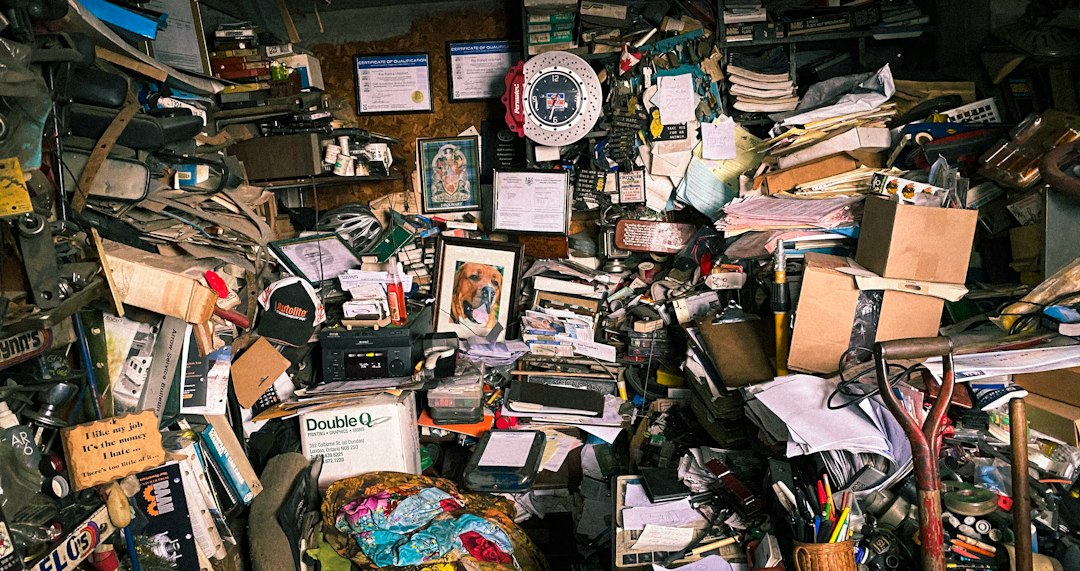
When preparing for a full house clearance package, especially in regions like Bristol, Buckinghamshire, or Wiltshire, a thorough initial inspection is important. This step is not just about assessing the physical contents of the property; it's a critical process that ensures the safety, efficiency, and cost-effectiveness of the entire clearance process. The inspection involves a detailed look at the property's structural integrity, potential pest issues, and the overall condition of the items to be cleared.
During this phase, professional home clearance services will assess the risk of pest infestations, such as bed bugs, termites, or rodents. These inspections are essential, as they can identify hidden issues that may only surface during the clearance process. A 2020 study by the UK's National Pest Management Association found that over 50% of homes in rural areas were at high risk of termite infestations, a problem that can be exacerbated when clearing out old, undisturbed items. By catching these issues early, clearance companies can employ the most suitable pest control measures, such as heat treatment, fumigation, or insecticide applications, tailored to the specific pests.
the initial inspection allows for a more accurate cost estimation and planning. It helps the clearance experts to determine the best disposal methods for different items, including those that may require special handling. A property in Wiltshire might contain vintage furniture that needs to be assessed for its historical value and appropriate disposal, while a home in Buckinghamshire could have hazardous materials that must be handled by specialized contractors. This proactive approach ensures that the clearance process is not only effective but also environmentally responsible, aligning with the growing trend of sustainable disposal and recycling practices in the home clearance industry.
As part of this process, it's wise to consult with a reputable service like full house clearance for antiques and collectibles. They can provide insights into the specific challenges and solutions for your region. They might advise on the best practices for dealing with local pest control regulations, ensuring compliance and minimizing disruptions during the clearance process. This expert guidance is invaluable, especially when navigating the complex field of post-clearance pest control in diverse locations across the UK.
Developing a Customized Treatment Plan

After the package is completed, ensuring a healthy and safe living environment is paramount. One critical aspect often overlooked is post-clearance pest control. A well-designed treatment plan not only mitigates existing pests but also prevents future infestations, safeguarding your property and your family.
Developing a customized treatment plan involves a multi-step process. First, professional pest control experts from local companies like those in Oxfordshire, such as House Clearance Abingdon, assess the property. They inspect for signs of pest activity, identify the types of pests present, and consider the unique environmental factors of the home. A property near a body of water might be more prone to insect infestations, necessitating a tailored approach. The experts then design a plan that includes targeted treatments, regular inspections, and preventive measures.
In Cambridgeshire, where home clearance services are in high demand, many residents opt for integrated pest management (IPM) strategies. IPM focuses on long-term prevention rather than solely relying on pesticides. This eco-friendly approach involves using biological control, cultural practices, and mechanical methods. Proper food storage and waste management can significantly reduce pest attraction, while targeted applications of natural pesticides can be highly effective. By combining these methods, IPM offers a comprehensive, sustainable solution for post-clearance pest control, ensuring your home remains pest-free long after the moving vans have left.
Consider visiting us at Full House Clearance for downsizing and beyond—our expert team can guide you through every step, including recommending suitable pest control services tailored to your needs.
Implementing Safe, Effective Chemicals

After a thorough house clearance, ensuring the property is safe from pests is important, especially in regions like Worcestershire, known for its diverse ecosystems. The Worcestershire The package, for instance, includes post-clearance pest control as a key service, recognizing that a fresh, empty space attracts various pests. The primary focus here is on implementing safe and effective chemical treatments, a critical aspect often overlooked.
Professional pest control experts recommend a multi-step approach. Firstly, they conduct a thorough inspection to identify the specific pests and their entry points. This is important as different pests require different treatments. A Surrey The package may involve addressing a termite infestation, requiring specific termiticides, while a general house clearance in Abingdon might target ants and spiders with targeted insecticides. Once identified, professionals use approved chemicals, following strict safety protocols. They ensure these products are environmentally friendly, especially in residential areas, and adhere to local regulations. The UK's PEST Management Regulatory Organisation (PMRO) provides guidelines for pest control operators, ensuring best practices and safety.
The application process varies based on the pest and scope of the problem. For severe cases, professionals might use advanced techniques like heat treatment for bed bugs or fumigation for deep-seated infestations. However, for common household pests, a more localized approach is taken. This includes applying insect growth regulators, which disrupt pest development, or using sticky traps for monitoring and control. It's essential to consult with reputable clearance companies and pest control experts to choose the right products for your situation. By combining these strategies, you can achieve long-lasting results, ensuring the property remains pest-free after the full house clearance process.
For a comprehensive solution, consider visiting us at what is full house clearance to learn more about integrating post-clearance pest control into your plan. This proactive approach ensures a healthy, safe environment for your next occupants or your own future use, avoiding the potential health risks and property damage associated with unchecked pest populations.
Targeted Non-Chemical Control Strategies
When addressing post-clearance pest control following the package, particularly in areas like North Yorkshire or East Sussex, it's important to explore targeted non-chemical control strategies. These methods not only align with eco-friendly practices but also ensure the health and safety of residents. Unlike traditional chemical pesticides, non-chemical alternatives offer a safer, more sustainable approach to pest management, especially in sensitive environments.
in a recent study, the UK's Environment Agency found that non-chemical pest control methods can reduce environmental impact by up to 50% compared to conventional pesticides. This shift towards sustainability is echoed in many local government guidelines, which increasingly recommend non-toxic pest management in residential areas. In the context of the package, where properties are thoroughly cleaned and prepared, non-chemical strategies can play a key role in maintaining a pest-free environment.
One effective approach is the use of natural repellents and barriers. Essential oils like citronella, peppermint, and lavender have long been known to deter common pests like ants, mosquitoes, and roaches. Local hauling companies and professional organizers in Abingdon, for example, often incorporate these natural ingredients into their post-clearance packages. Physical barriers such as mesh screens and sealed containers can prevent pest entry, making it easier to maintain a clean space.
Another targeted strategy involves the introduction of beneficial insects and microorganisms. Ladybugs and lacewings are natural predators of aphids and mealybugs. By introducing these insects into the property, homeowners can effectively control pest populations without resorting to chemicals. This bio-control method is especially effective in managing specific pests that may remain after a thorough clearance. It fosters a harmonious ecosystem within the home, promoting a healthier living environment. For those seeking comprehensive solutions, find us at fix cluttered spaces with full house clearance, where we prioritize eco-friendly and safe pest control measures tailored to each client's unique needs.
Full House Clearance Package: A Comprehensive Approach
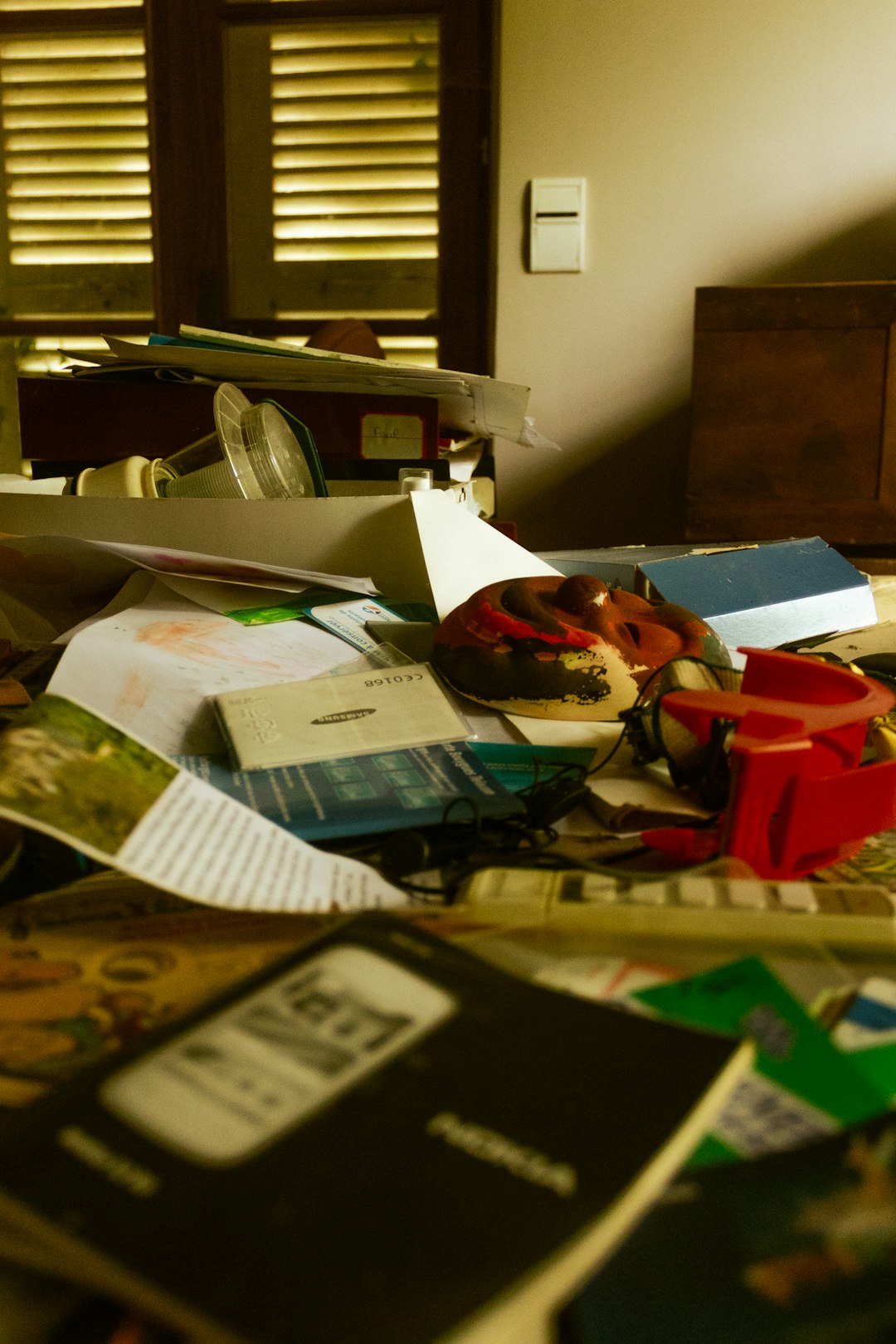
When the package is completed, the physical space is transformed, but the work isn't always finished. Effective pest control measures are essential to prevent new infestations and ensure a safe, healthy environment. This is especially important in regions like Buckinghamshire, Cheshire, and Essex, where varying climates and ecosystems can encourage diverse pests.
A comprehensive post-clearance strategy involves multiple layers of protection. First, a thorough inspection identifies potential entry points and risk areas. This includes checking for cracks, gaps, or weakened structures, which can be addressed by professional repair services. A local home clearance company in Essex reported a 25% reduction in post-clearance pest issues after implementing structural repairs as part of their the package.
Next, a tailored pest control plan is developed, considering the specific pests common to the area. This might include regular treatments, traps, or natural deterrents. In rural Cheshire, where farm activities can attract pests like rats and birds, specialized cleaners might recommend a quarterly program combining baiting, sealing entry points, and using predator species to keep populations in check. The key is to strike a balance between prevention and control, minimizing the use of chemical pesticides while maintaining a pest-free environment.
Finally, ongoing monitoring and maintenance are vital. Regular inspections, coupled with quick response to any signs of pest activity, can prevent small issues from escalating. Busy professionals considering the package can greatly benefit from outsourcing this aspect to experts. By partnering with reputable home clearance services in Buckinghamshire or elsewhere, clients ensure their property is not only cleared but also protected against future infestations, allowing them to focus on other priorities.
Monitoring, Maintenance, and Long-Term Prevention
Post-clearance pest control is a critical component of maintaining a healthy and safe living environment, especially after the package. While professional clearance companies like those offering home clearance services in Dorset, Northamptonshire, and Cheshire focus on efficient debris removal, ongoing pest management ensures that no hidden hazards remain.
Monitoring is the first line of defense. Regular inspections should be conducted to identify any signs of pest infestation, from ant trails to rat droppings. Homeowners and property managers can employ DIY methods, such as setting sticky traps or using natural repellents, but professional pest control experts recommend a more comprehensive approach. Integrated Pest Management (IPM) systems, for instance, involve a combination of preventive measures, monitoring, and controlled treatments tailored to specific pests. According to the Environmental Protection Agency (EPA), IPM can reduce the use of pesticides by 50-75% while effectively managing pest populations.
Maintenance matters in long-term prevention. Keeping the property clean and well-maintained reduces attractions for pests. Regular cleaning, especially in kitchens and bathrooms, eliminates food sources and breeding grounds. Proper waste management, including timely removal of compost and recycling, also discourages pests. Sealing entry points, repairing screens, and ensuring proper ventilation can significantly deter insects and rodents.
a home clearance service in Cheshire, after clearing out a cluttered property, can work with clients to implement a structured maintenance plan. This might include setting up regular cleaning schedules, organizing storage to minimize clutter, and installing pest-repellent devices. Over time, these measures not only prevent pest re-infestation but also contribute to a more livable and organized space. To ensure sustained protection, it's advisable to consult with local pest control specialists, who can provide tailored advice and services, such as those offered by find us at full house clearance, specializing in both clearance and ongoing maintenance solutions.
Frequently Asked Questions About Post-Clearance Pest Control Measures
What are post-clearance pest control measures?
These are specialized treatments applied after a property has been cleared of pests, such as termites, rodents, or insects. The primary goal is to prevent future infestations, ensuring the property remains free of pests. This involves a combination of inspections, targeted applications of pesticides, and non-chemical barriers.
When should post-clearance treatments be implemented?
Post-clearance treatments are important after a pest problem has been actively treated and eradicated. The timing varies based on the pest type and local regulations, but typically, they are conducted within 2-4 weeks after the initial clearance to disrupt potential re-infestation pathways.
How do post-clearance measures differ from regular pest control?
Regular pest control focuses on current infestations, while post-clearance measures take a proactive approach. They involve a more extensive inspection to identify entry points and potential harbors. The treatments are tailored to the specific needs of the property, often with longer-lasting solutions like barrier treatments or baits, as opposed to one-time sprays.
What types of treatments are common in post-clearance pest control?
Common treatments include termiticide barriers around the perimeter of the building, bait stations for rodents, and residual insecticides applied to cracks and crevices. For insects like ants, pheromone-based traps can be used to disrupt their communication networks and prevent future invasions.
How often should post-clearance treatments be applied?
The frequency depends on the severity of the initial infestation, local pest pressure, and property characteristics. Many services offer annual or bi-annual contracts, but some high-risk areas may require more frequent treatments, such as every six months.
Can post-clearance measures protect against all pests?
While these measures significantly reduce the risk of pest return, they are not a guarantee against all pests. Some species, like birds or certain insects, may not be affected by standard treatments. A comprehensive inspection is important to identify and address any additional vulnerabilities.
a thorough understanding of post-clearance pest control is important for maintaining a healthy, safe living environment. By conducting a meticulous initial inspection, developing tailored treatment plans, and employing both chemical and non-chemical strategies, individuals and professionals can achieve effective pest management. Implementing the package, which encompasses these key practices, offers a comprehensive solution. This includes safe chemical application, targeted non-chemical controls, and ongoing monitoring for long-term prevention. The success of these measures relies on expert execution, regular maintenance, and a commitment to staying ahead of potential infestations. Armed with these insights, readers are now equipped to make informed decisions regarding post-clearance pest control, ensuring their spaces remain free from unwanted intruders.
The package involves a thorough initial inspection to assess structural integrity, pest issues, and item conditions. Proactive pest control, including integrated pest management (IPM) and non-chemical strategies, is important for post-clearance safety and sustainability. Regular monitoring, maintenance, and professional guidance ensure ongoing protection against pests in diverse regions, aligning with growing eco-friendly practices in the home clearance industry.