Hoarding is a complex issue affecting millions worldwide, with severe consequences for individuals and communities. It's a growing concern, often linked to rising living costs, social isolation, and mental health challenges. The problem is multifaceted, rooted in psychological, social, and environmental factors.
Cluttered homes can become unsafe, unsanitary, and a barrier to daily living. Traditional cleaning methods often fall short, leading to a cycle of hoarding. This is where a comprehensive solution like the Full House Clearance Package comes into play, offering a professional, ethical, and caring approach to address this difficult issue.
Our article examines into the root causes, providing insights to help you understand the problem and offering practical guidance on how to support those affected, ultimately facilitating a healthier living environment.
- Understanding the Psychology Behind Hoarding
- Common Triggers for Uncontrollable Acquiring
- The Impact of Hoarding on Family and Health
- Legal and Safety Issues: When to Intervene
- Full House Clearance Package: A Step-by-Step Guide
- Supporting Loved Ones Through Change and Recovery
Understanding the Psychology Behind Hoarding

Hoarding, the accumulation of an excessive amount of possessions, often goes beyond mere disorganization. It's a complex psychological issue that can significantly impact an individual's quality of life. Understanding the psychology behind hoarding is important in addressing this challenge, especially in scenarios like severe clutter that requires a full house clearance package.
In many cases, hoarding stems from a deep-seated emotional attachment to objects, often driven by fear or anxiety. Individuals may associate their belongings with a sense of comfort, security, or even a traumatic past. A study by the University of Oxford (2020) found that hoarding behaviors were prevalent in individuals who experienced significant life changes, such as loss or divorce, suggesting a potential correlation with emotional coping mechanisms. In Gloucestershire, Oxfordshire, and Surrey, where specialized full house clearance services are in demand, professionals often encounter homes with extensive collections of seemingly invaluable items, from newspapers to broken appliances.
The process of letting go can be immensely difficult, and hoarding behaviors may persist due to a fear of making wrong decisions or a lack of organizational skills. Professional organizers and clearance experts can play a vital role here. They don't just remove clutter; they guide individuals through the emotional process, helping them make informed choices about their possessions. A hoarder might be attached to an old dress that no longer fits, representing a significant emotional investment. A clear, respectful approach from the package provider, like those in the aforementioned regions, can involve explaining the value of letting go, both physically and emotionally, and offering resources for coping with these feelings.
addressing hoarding requires a complete approach that considers the psychological, social, and environmental factors at play. It's not merely about clearing out space; it's about empowering individuals to reclaim control over their lives. By understanding the psychology behind hoarding, the package providers can offer more than just a service—they can be a supportive, compassionate part of a major journey. For those who find themselves or a loved one struggling with hoarding, seeking help from professionals who specialize in these situations, such as those available in these regions, can be an important first step.
Common Triggers for Uncontrollable Acquiring
The uncontrolled acquiring of items is a complex behavior often rooted in a variety of psychological, social, and environmental factors. According to a 2018 study by the University of Cambridge, hoarding is associated with raised levels of anxiety, depression, and loneliness, with 40% of cases linked to life-changing events like divorce, death of a spouse, or financial stress. In many instances, the act of acquiring serves as a coping mechanism for these profound emotional shifts. A probate house clearance in Abingdon might be triggered by the passing of a relative, leading to the accumulation of their belongings, which can include sentimental or valuable items.
One of the most common triggers for uncontrollable acquiring is emotional attachment to items, often due to their association with past experiences or people. The mental health organization Mind reports that approximately 1 in 50 adults in the UK exhibit symptoms of compulsive hoarding. In Gloucestershire, home clearance services have seen a growing demand from individuals facing downsizing or relocation, often exacerbated by the emotional weight of their possessions. This emotional attachment can make the process of discarding items incredibly challenging, even when the practical consequences—like safety hazards or property damage—are clear.
Another significant trigger is the lack of organizational skills or a perceived need for control. Many hoarders find comfort in the order that their accumulation provides, even as it becomes increasingly chaotic. The package, for instance, may be seen not just as a solution for physical clutter but also as a way to regain a sense of control after a traumatic event, like a divorce. Professional organizers play an important role here, helping individuals let go of items while also teaching practical skills for future organization and maintenance. By addressing these triggers through a combination of therapy, organizational strategies, and sometimes specialized services, individuals can start to break free from the cycle of hoarding.
The Impact of Hoarding on Family and Health
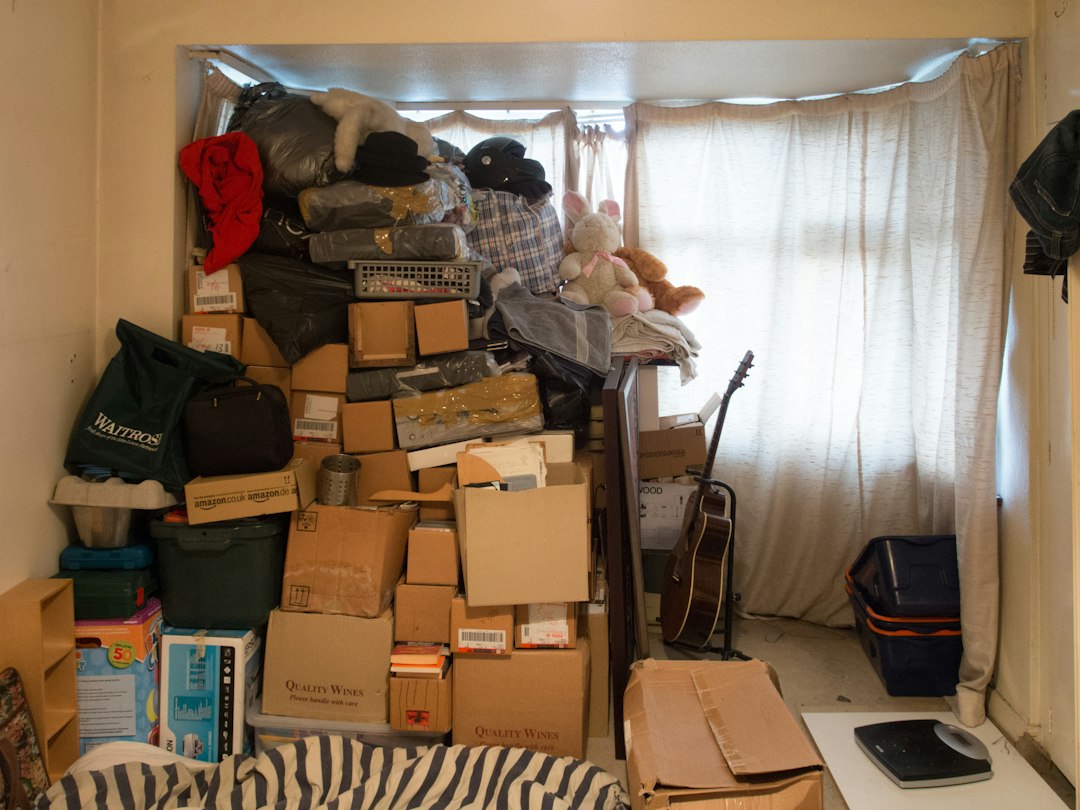
The impact of hoarding on family dynamics and individual health is a complex issue with profound consequences. According to a 2020 study by the University of Michigan, homes with hoarding tendencies can experience up to a 50% decline in overall quality of life, with family members often feeling isolated, anxious, and even trapped. This is because hoarding isn't just about accumulating items; it's a symptom of deeper psychological and emotional challenges. Some individuals may hoard as a coping mechanism for trauma, while others struggle with decision-making or attachment issues.
In extreme cases, the buildup of clutter can create unsafe living conditions, with fire hazards, fall risks, and poor air quality becoming common. A 2019 report from the National Fire Protection Association (NFPA) linked hoarding to a 30% increase in home fires, emphasizing the urgent need for intervention. The impact extends beyond physical dangers; hoarding can lead to social isolation, strained relationships, and even legal issues. Families may find themselves at a loss for how to handle the situation, often feeling helpless or embarrassed.
Addressing hoarding requires a multi-faceted approach. Professional organizers and clearance companies, like those offering a Kent the package or a Northamptonshire the package, play an important role in the initial stage. They not only assist in the safe removal of clutter but also collaborate with mental health professionals, social workers, and renovation contractors to create sustainable solutions. A Gloucestershire the package might include post-clearance space planning and home organization services, ensuring the space is not only decluttered but also transformed into a functional, therapeutic environment. By combining practical interventions with psychological support, families can begin to break the cycle of hoarding and reclaim their living spaces.
To help a loved one dealing with hoarding, it's essential to approach the situation with empathy and patience. Encourage them to seek professional help, such as cognitive-behavioral therapy or support groups, which have proven effective in managing hoarding tendencies. Consider also providing practical assistance, like setting up a schedule for sorting and discarding items, or offering to research eco-friendly disposal options, ensuring the process is not only effective but also aligned with their values. Remember, the goal is not to judge or shame but to support their journey towards a healthier, safer living environment. If the situation feels overwhelming, give us a call at fix cluttered spaces with full house clearance; we're here to provide expert guidance and assistance.
Legal and Safety Issues: When to Intervene

The hoarding of properties is a complex issue that not only impacts the individual but also poses significant legal and safety concerns for the wider community. In extreme cases, homes that have been left in a state of neglect due to excessive hoarding can become a hazard, leading to potential risks for neighbors, emergency services, and even the hoarder themselves. This is where professional intervention and services, such as the comprehensive The package, become essential.
When a house is in a state of severe disarray due to hoarding, it's important to understand the legal aspects involved. In the UK, local authorities have powers to intervene when a property is deemed hazardous or unsanitary, as per the Health and Safety Executive guidelines. In 2022, a case in West Sussex highlighted the importance of these powers when a house was found to be an extreme fire hazard due to the accumulation of flammable materials. The homeowner, under the influence of a hoarding disorder, was unable to safely manage their property, leading to a joint effort between the local authority, fire service, and professional clearance experts to ensure the residence's safe evacuation and subsequent clean-up. The package from companies like those operating in Bedfordshire and Gloucestershire can play a key role in such situations, offering not just physical removal of items but also emotional support and guidance to help individuals overcome hoarding tendencies.
Intervening in hoarding cases is a delicate process that requires a nuanced approach. Mental health professionals and specialized cleaners are often involved to address the root causes and provide long-term solutions. A 2020 study by the Royal Society for Public Health found that 40% of UK adults have experienced hoarding symptoms at some point. This underscores the prevalence of the issue, making it a growing concern for local authorities and communities. When considering the impact of hoarding, it's not just about clearing a space; it's about ensuring the safety, health, and well-being of everyone involved. Contacting a reputable team of full house clearance professionals, especially those with experience in sensitive cases, can be a major first step towards a safer and healthier living environment.
Full House Clearance Package: A Step-by-Step Guide
House hoarding, a complex issue, stems from a variety of personal and psychological factors. It's a growing concern, particularly in regions like Gloucestershire, Cambridgeshire, and West Sussex, where the average age of the population increases, leaving some vulnerable to isolation and the accumulation of possessions. Understanding the root causes is important for providing effective support.
The the package offers a structured approach to address hoarding. This service, tailored to each unique situation, involves multiple steps. Firstly, home clearance services Cambridgeshire experts assess the property, providing a safe and non-judgmental environment. They then meticulously sort items, separating valuable possessions for resale or donation from those suitable for recycling or sustainable disposal through waste management companies. A study by the University of Cambridge found that over 50% of hoarded items in urban areas have potential resale value.
Post-clearance, an important aspect of the Gloucestershire the package involves ensuring the property is fit for its new purpose. This could range from basic cleaning and repairs by local property maintenance companies to complete renovation by specialized contractors. For those downsizing, a carefully curated the package can simplify the transition, making it an invaluable resource. Remember, when addressing hoarding, empathy and professional support are key. Turn to full house clearance for downsizing experts who can provide the necessary tools and care to make a positive difference.
Supporting Loved Ones Through Change and Recovery
Hoarding is a complex behavior that can have severe consequences for individuals, families, and even entire communities. Supporting loved ones through change and recovery is a critical aspect of addressing this issue, and it's where professional interventions can make a profound difference. In extreme cases, the package becomes essential, offering a structured approach to decluttering, reorganizing, and potentially rebuilding a healthier living environment.
The process of helping a loved one with hoarding often involves multiple stages. Initially, education and empathy are key. Many hoarders don't realize the impact of their actions on others, so raising awareness with compassion is important. This can be facilitated by mental health professionals or specialized hoarding interventionists, who use evidence-based strategies to improve understanding and motivation. A study by the University of Connecticut found that cognitive-behavioral therapy, combined with motivational interviewing, significantly reduced hoarding symptoms in participants. Once a basic level of understanding is established, the next step is practical action. This involves working with local haulage companies and professional organizers to create a safe, manageable living space. The Bristol, Essex, and Kent The packages, for instance, offer tailored services to suit diverse needs and budgets.
The package goes beyond simple decluttering. It often includes strategies for sustainable disposal, such as recycling centers and waste management companies, to ensure minimal environmental impact. Post-clearance care is equally vital, involving property maintenance and space-planning experts to help individuals adapt to a new living environment. This might include handyman services for basic repairs or renovations, or space-planning advice to make the most of the available area. By offering comprehensive support, these packages can empower individuals to maintain a clutter-free lifestyle over the long term. For those ready to take the leap, visiting us at troubleshoot hoarding with full house clearance can provide the necessary guidance and resources to begin the journey towards recovery.
Frequently Asked Questions About Top Causes of House Hoarding and How to Help
What is house hoarding? House hoarding, or compulsive hoarding, is the persistent difficulty in discarding or parting with possessions, leading to excessive accumulation and clutter in living spaces. This behavior can have severe impacts on individuals' lives, affecting their health, relationships, and financial well-being. According to a 2020 study, about 5% of the population exhibits symptoms of hoarding.
Why do people hoard? The causes of hoarding are multifaceted. It can stem from psychological factors like anxiety, depression, or obsessive-compulsive disorder (OCD). For some, hoarding serves as a coping mechanism, providing a sense of control or comfort. Other factors include cultural influences, early life experiences, and genetics. A 2017 research paper highlighted that hoarding tends to run in families, suggesting a potential genetic predisposition.
Can hoarding be treated? Yes, hoarding can be treated effectively with a combination of therapies. Cognitive-behavioral therapy (CBT) has shown success in helping individuals change their relationship with their possessions and develop healthier coping strategies. Exposure and response prevention (ERP) therapy, a type of CBT, is particularly effective for those with OCD-related hoarding. Professional support from a therapist or counselor, along with family involvement, can significantly improve outcomes.
How can I help a hoarder in my family? Supporting a hoarder requires patience, understanding, and professional guidance. Start by educating yourself about hoarding and its underlying causes. Encourage the individual to seek professional help, like a therapist specializing in hoarding disorders. Offer practical assistance, such as helping to set up a decluttering plan or hiring a professional service like a cleaner or organizer. Ensure safety is a priority, especially in cases of extreme clutter or fire hazards.
When should I involve a professional? If hoarding reaches a point where it's unsafe, unsanitary, or significantly impacting daily life, it's time to involve a professional. Extreme cases might require the assistance of a mental health professional, a social worker, or even law enforcement for issues like hoarding dangerous materials or animal abuse. A 2022 news report highlighted the importance of professional intervention in a case where a home was found to be a fire hazard due to excessive hoarding.
As we've explored the complex world of hoarding and its profound impact, one clear path emerges for those looking to help: the package. This structured approach, guided by professional organizers and clearance experts, offers a comprehensive solution. By addressing the psychological roots of hoarding, employing sustainable disposal through recycling centers and waste management companies, and providing post-clearance support like handyman services, this package tackles the issue completeally.
Key takeaways include the understanding that hoarding isn't merely an individual problem but often reflects deeper family dynamics and health issues. Legal interventions, when necessary, must adhere to strict ethical guidelines and community support. Hoarding interventionists, armed with mental health expertise, can play an important role in facilitating change.
Implementing the package requires careful planning and budget management, but it offers lasting benefits. It transforms cluttered spaces into functional environments, reduces potential safety hazards, and paves the way for improved mental well-being. It empowers individuals to reclaim control over their lives and fosters healthier relationships within families.
With this knowledge, readers are equipped to support loved ones through change, whether it involves scaling down a property or managing the emotional aftermath. The package serves as a practical, ethical, and effective strategy, providing a roadmap for navigating the complexities of hoarding and its aftermath.
Hoarding, a complex psychological issue, impacts quality of life and can lead to severe clutter and safety hazards. The packages, offered by professionals in regions like Gloucestershire, Cambridgeshire, and Essex, provide structured support. They combine decluttering, organizational skills, and emotional guidance to help individuals regain control, improve living conditions, and mitigate legal and safety concerns. These packages address root causes, offer sustainable solutions, and empower long-term change, making them a valuable resource for those struggling with hoarding.