After a flood, dealing with the ensuing debris is a crucial yet daunting task. The aftermath can be overwhelming, with water-damaged belongings, structural damage, and the potential for hidden dangers like mold and hazardous materials. This is where a full house clearance package becomes essential. These professional services not only help with the safe removal of debris but also ensure proper disposal, recycling, and even eco-friendly resale options. By employing these strategies and working with trusted local companies, you can navigate the post-flood cleanup process with confidence, prioritizing safety and minimizing the emotional and financial strain.
- Safety First: Gear Up for Full House Clearance
- Identify Hazards: Understand Debris Types
- Plan Strategically: Full House Clearance Checklist
- Protect Yourself: Safety Gear and Procedures
- Clear with Care: Methodical Debris Removal
- Dispose Responsibly: Eco-Friendly Full House Clearance
Safety First: Gear Up for Full House Clearance

When dealing with difficult debris after a flood or other catastrophic event, safety must always come first. Before tackling any aspect of a full house clearance, whether in Kent, North Yorkshire, Cheshire, or beyond, it's crucial to gear up with the right equipment and knowledge. This initial phase is more than just clearing out damaged items; it's about ensuring your safety, minimizing risks, and preparing for the work ahead.
In the aftermath of a flood, debris can include everything from soggy furniture to hazardous materials. Professional home clearance services understand these risks and are equipped to handle them. They'll use specialized equipment to remove water-damaged items safely, preventing further damage and potential health hazards. Personal protective equipment (PPE), including gloves, goggles, and masks, is standard issue. This gear is essential when dealing with mold, bacteria, and other pathogens that can thrive in floodwater.
In a full house clearance package, these safety measures extend to the disposal of materials. Recycling centers and sustainable disposal practices are integral parts of responsible home clearance services in Kent, North Yorkshire, and Cheshire. Proper disposal ensures that hazardous items, such as lead paint or asbestos, are handled according to local regulations. Professional organizers and clearance companies can help you make informed decisions about what to keep, donate, recycle, or dispose of, aligning with your goals and the environment's well-being.
When you're ready to begin the process, consider working with a trusted full house clearance service. Visit us at full house clearance with sensitive items anytime to explore how these professionals can assist, ensuring your safety and peace of mind throughout the challenging task of clearing out a water-damaged home.
Identify Hazards: Understand Debris Types

When dealing with difficult debris after a flood or other event, the first step in any full house clearance package is identifying potential hazards. Understanding the types of debris you're dealing with is crucial for the safety of both your team and your property. Floodwaters can carry a mix of organic and inorganic materials, including mud, silt, wood, metal, glass, and even hazardous substances. Each type poses unique challenges and requires specific handling.
Sharp objects like shattered glass or metal shards can cause injuries if not handled properly. Organic debris, such as mud and silt, can be heavy and difficult to move, increasing the risk of strain or injury. Inorganic materials like metal and wood may require specialized equipment for safe removal, especially if they're contaminated by floodwaters. Some hazardous substances, like chemical or fuel spills, necessitate the involvement of professionals equipped to deal with them safely.
In scenarios like a Probate House Clearance Abingdon, home clearance services in Buckinghamshire, or North Yorkshire, the situation can be especially complex. These areas might have specific local regulations regarding the disposal of various types of debris. Professional home clearance services, like those you'd engage for a full house clearance package, are trained to recognize these hazards and adhere to local, regional, and national safety standards. When you choose a full house clearance company, give us a call to ensure they have the expertise and resources to handle your specific debris types safely and responsibly.
Plan Strategically: Full House Clearance Checklist

When dealing with difficult debris after a flood or extensive damage, a strategic plan is essential. The process of clearing out a home can be overwhelming, especially when dealing with sensitive items. This is where a comprehensive full house clearance package becomes invaluable.
Start by creating a detailed full house clearance checklist. Divide your home into sections-kitchens, bathrooms, living rooms, bedrooms-and prioritize what needs to be addressed first. In a flood situation, focus on removing water-damaged items and materials first, followed by sanitation and safe disposal. Note any items requiring special handling, such as electronics, furniture with sentimental value, or hazardous materials. In Buckinghamshire, for example, a full house clearance package from a reputable provider will include expert assessment and safe removal of these items, ensuring they are recycled, reused, or disposed of appropriately.
Consider the expertise of professionals. Local home clearance services in North Yorkshire, like those offering a full house clearance package, have the training and experience to handle a wide range of debris safely and efficiently. They can provide insights into the best methods for clearing and restoring your space, while also adhering to local regulations. They can advise on the proper disposal of contaminated materials, ensuring your safety and the protection of the environment. Remember, a well-planned and executed full house clearance package will not only restore your home but also alleviate stress during a challenging time. Find us at full house clearance with sensitive items to receive expert guidance tailored to your specific needs.
Protect Yourself: Safety Gear and Procedures

When tackling a full house clearance package, especially after difficult situations like floods or long-term hoarding, safety should be your top priority. The process involves handling a wide range of items and materials, some of which may be hazardous. This is why proper safety gear and procedures are non-negotiable.
Protecting yourself is essential, particularly when dealing with unknown substances and structures. Always wear appropriate personal protective equipment (PPE), including gloves, safety glasses, and a respirator mask, especially in homes affected by water damage. These can help prevent exposure to mold, bacteria, and other pathogens, as well as protect against toxic chemicals. In cases of severe hoarding, be aware of potential hazards like heavy furniture, exposed wiring, and unstable structures. Professional organizers or clearance experts can assist in assessing these risks and developing a safe plan.
West-Sussex full house clearance services may encounter old, damaged, or contaminated items. Disposing of these materials safely is crucial. Local regulations dictate what can be recycled or reused, and what needs to be disposed of as hazardous waste. Collaborate closely with your clearance company to ensure all debris is handled according to environmental guidelines. If you're considering a full house clearance package in Abingdon, give us a call at full house clearance to discuss the process and their experience in handling sensitive items. Their expertise can ensure the safety and efficiency of the entire operation, protecting both your health and the environment.
Clear with Care: Methodical Debris Removal
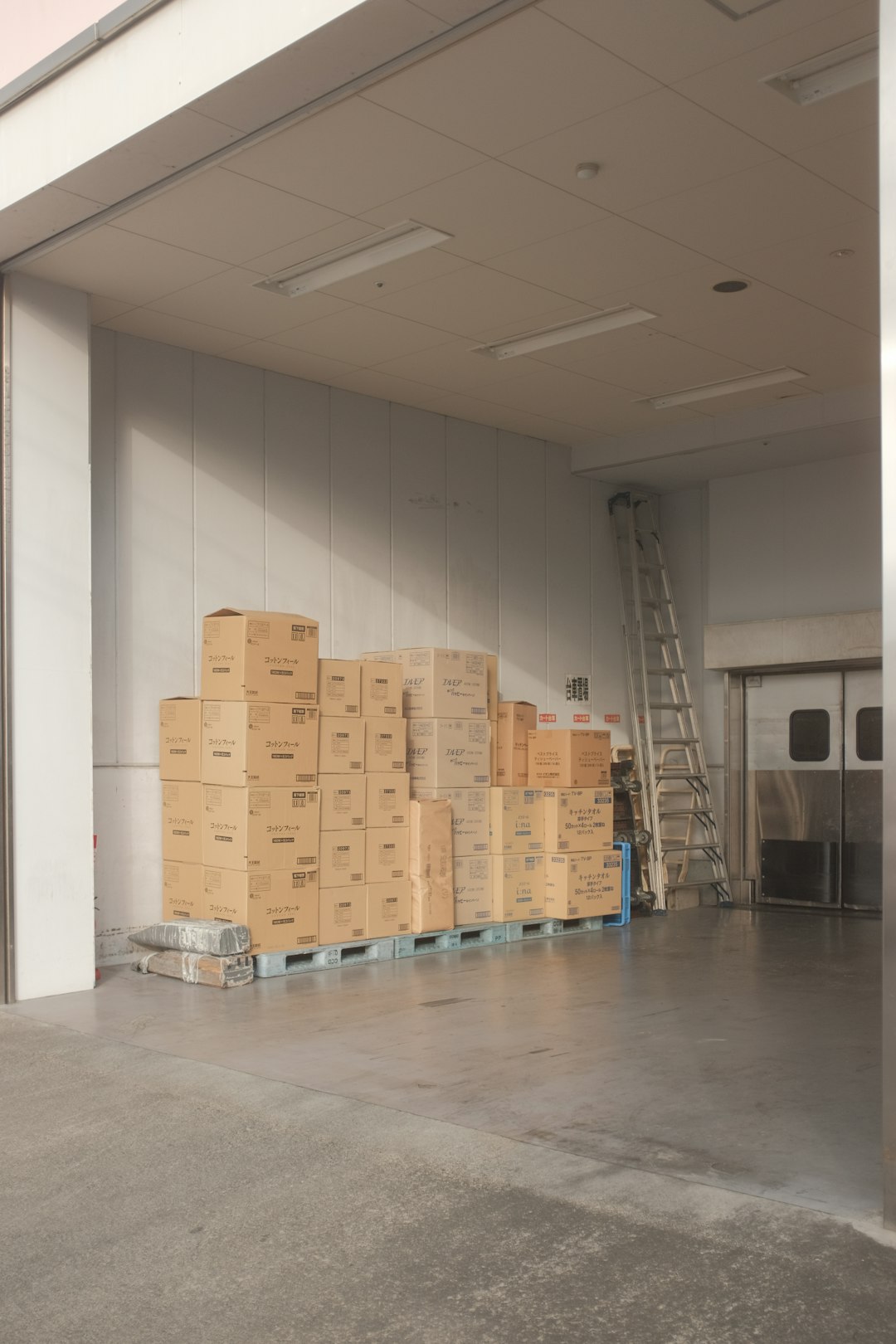
When dealing with difficult debris after a flood, thorough and methodical removal is crucial for both safety and the successful execution of a full house clearance package. Home clearance services Warwickshire, Oxfordshire, and North Yorkshire have encountered countless scenarios where the aftermath of flooding presents unique challenges. From hazardous materials to structural damage, every item and material must be handled with care to prevent further harm and ensure the safety of residents and clearance experts.
In many cases, the initial step involves assessing the scope of the damage and identifying potential hazards. This may include the presence of mold, lead paint, or other toxic substances that require specialized handling. Removing old, water-damaged furniture can be a delicate process, especially if it has become infested with mold or weakened by prolonged exposure to moisture. Professional home clearance services in these regions prioritize safety by employing protective gear, such as respirators, gloves, and eye protection, to safeguard their personnel and the property's future inhabitants.
A methodical approach involves sorting items into categories-reusable, recyclable, disposable, and hazardous. This meticulous process not only streamlines the clearance but also aligns with the environmental goals of sustainable disposal. Home clearance services Oxfordshire, for example, collaborate with local recycling centers and waste management companies to maximize the diversion of materials from landfills. In some cases, eco-friendly retailers and specialized cleanup companies may be engaged to handle specific items, ensuring that the clearance contributes to a greener, more sustainable future.
Prioritizing safety and employing a structured clearance method is key to a successful full house clearance package. Whether dealing with floodwater from heavy rainfall in North Yorkshire or navigating the aftermath of a coastal storm in Warwickshire, professional clearance companies demonstrate their expertise by managing every step of the process, from initial assessment to final disposal, ensuring the safety of the property and its future use.
Dispose Responsibly: Eco-Friendly Full House Clearance

When dealing with difficult debris after a flood or other catastrophic event, responsible disposal is not just an environmental consideration-it's crucial for the health and safety of your family and the community. Eco-friendly full house clearance packages offer a sustainable solution, especially in areas like Abingdon, Hertfordshire, and Warwickshire where local waste management resources can be stretched thin.
In the context of probate house clearance, for example, the process must be handled with care. Professional full house clearance companies near me can assist in removing items with historical or sentimental value while ensuring that hazardous materials, like lead paint or asbestos, are disposed of safely and in compliance with local regulations. These companies often collaborate with specialized waste management firms to handle materials that cannot be recycled or reused, ensuring that they are disposed of in eco-friendly ways that minimize environmental impact.
Items that are still functional but no longer wanted can often be donated to charities or given a second life through upcycling initiatives. This approach not only reduces waste but can also support local communities by providing resources to those in need. Many items from a cleared property in Warwickshire could find new homes with local families or be repurposed by crafters and artists.
By choosing a full house clearance package that prioritizes sustainability, homeowners can contribute to a circular economy while ensuring that their property is restored to a safe and livable state. This holistic approach, which considers both environmental and social impacts, is becoming increasingly important as we strive to create more sustainable communities. Remember, responsible disposal starts with informed choices, so consult with professionals to find the best eco-friendly solution for your needs.
Frequently Asked Questions About Dealing with Difficult Debris Safety Tips
What is considered "difficult debris" in a post-flood context?
In the aftermath of a flood, certain materials become classified as difficult debris. This includes items like wet drywall, wood that has been submerged for an extended period, contaminated insulation, and any items with embedded mold or mildew. These materials pose unique challenges due to the potential for structural damage, health risks, and the complexity of safe disposal.
How can I protect myself from health hazards when dealing with flood debris?
When handling difficult debris, prioritize personal safety above all. Wear protective gear such as gloves, goggles, and a respirator to guard against mold spores, hazardous chemicals, and sharp objects. Ensure adequate ventilation in the affected area, as stagnant water can foster the growth of dangerous pathogens. Regularly wash your hands and face after contact with debris.
What steps should I take before removing wet drywall?
Before removing wet drywall, assess the level of damage and the extent of mold growth. If mold is present, consult a professional for safe removal. For minor water damage, allow the drywall to dry completely. Use a moisture meter to confirm dryness. Only then should you proceed with removal, using proper tools and techniques to prevent structural damage.
Who should I call for help with difficult debris removal?
For safe and efficient removal of difficult debris, contact a licensed and insured professional restoration company. These experts have the necessary equipment, knowledge, and experience to handle hazardous materials responsibly. They can assess the situation, provide a thorough cleanup, and ensure that all debris is disposed of properly according to local regulations.
What should I do if I find mold on my belongings after a flood?
If you discover mold on your personal belongings, such as clothing, furniture, or books, it's crucial to act swiftly. Remove the items from the affected area and use a commercial mold cleaner or a solution of water and bleach (one part bleach to ten parts water) to disinfect them. For severe mold infestations, consider discarding the items, especially if they are valuable but not essential.
Are there any legal considerations when dealing with flood-damaged property?
Indeed, there are legal considerations. Always follow local, state, and federal guidelines regarding hazardous waste disposal and environmental regulations. If you're unsure about proper disposal, consult with your local health or environmental department. Document the damage and keep records of any repairs or renovations, as this can be important for insurance claims.
After navigating the complex process of dealing with difficult debris, you're now equipped with the knowledge to tackle any full house clearance package. From prioritizing safety and identifying hazards to planning strategically, protecting yourself, and disposing responsibly, you've learned the importance of each step. This practical guide has empowered you to approach full house clearance with confidence, ensuring a safe, efficient, and eco-friendly process. Now, you're ready to implement these key learnings, clear out your space, and start anew. Remember, proper preparation and a methodical approach will make even the most challenging projects manageable.
Full House Clearance: Safety, Sustainability, and Efficiency
After a flood or catastrophic event, a full house clearance package prioritizes safety and sustainability. It involves identifying hazards, removing debris methodically, and disposing of materials responsibly. Professional services gear up with specialized equipment and protective gear, ensuring safe handling of mold, bacteria, and hazardous materials. They sort items for recycling, donation, or disposal, aligning with environmental goals. In areas like Kent, North Yorkshire, Cheshire, Warwickshire, and Oxfordshire, these services offer expertise in probate house clearance, upcycling, and eco-friendly disposal, contributing to a safer, greener community. Always consult professionals for the best full house clearance package tailored to your needs.